

Ayo & Iken has helped over 10,000 people just like you.
Helping family law, criminal defense, bankruptcy, employment, immigration, and real estate cases.

Your Lawyers in Florida
The Law Firm of Ayo and Iken is large group of attorneys giving you the personal attention your case deserves but with the resources of a large law firm at your disposal.
All of our attorneys have many years of experience in the courtroom. Clients do not hire us to come in second place. We take that responsibility seriously.
10,000+
Clients Helped
Why you should hire us
Our Attorneys Are Ready to Fight for You!
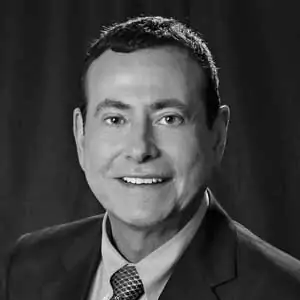
Howard Iken
Partner
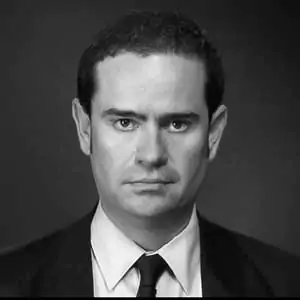
Alberto Ayo
Partner
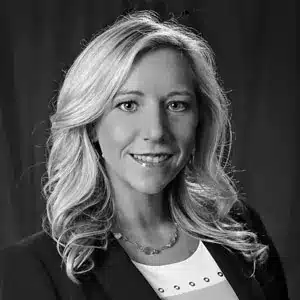
Jeana Vogel
Partner
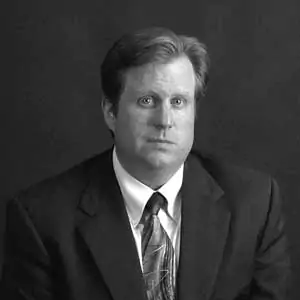
Jason Ponder
Partner
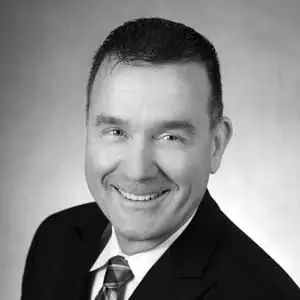
Howard Elizey
Partner
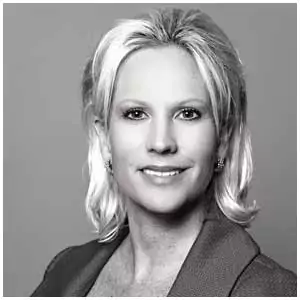
Claudia Blackwell
Associate
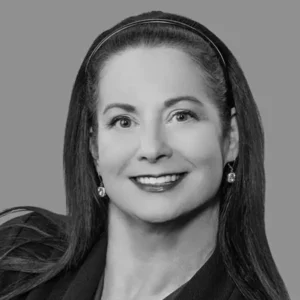
Crystal Phillips
Associate
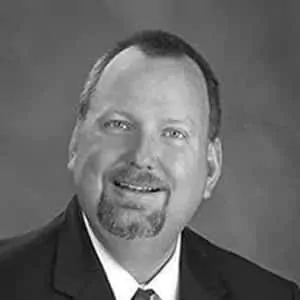
Michael McGinn
Associate
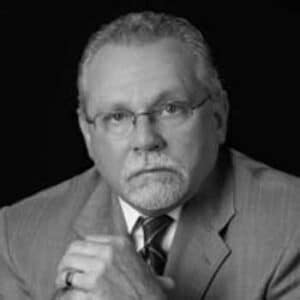
Kevin Fuller
Associate
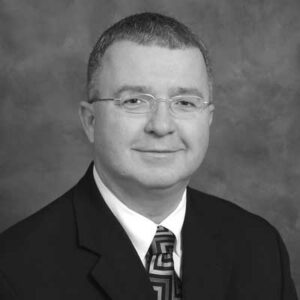
Joseph Little
Associate
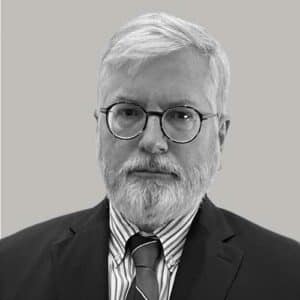
George Cranton
Associate
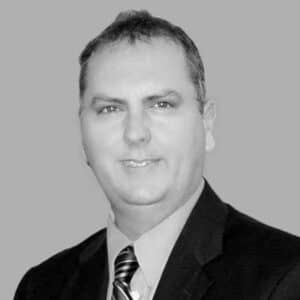
Mark Hankins
Associate
Our Services
Ayo and Iken is a Florida law firm helping clients with family law, criminal defense, bankruptcy, employment & wage issues, immigration, and general civil cases.
Florida Alimony Law
An overview of alimony law in the State of Florida. Types of alimony, conditions for getting or payment alimony, and big picture concepts. Written by Ayo and Iken attorneys to help …
Child Custody Laws in Florida
Florida Child Custody laws, a complete description of factors the family law courts use to determine the life of your child. Exclusive content from Ayo and Iken !
Divorce Laws in Florida
Learn all about Divorce Laws in Florida. Dedicated sections on each major issue in a Florida divorce. Free consultations with our divorce attorneys
Florida Child Support Law
Description and overview of Florida Child Support Laws How child support is calculated and a brief discussion of enforcement.
Divorce, Custody, and Parenting Resources
General Resources for Divorce The Effects of Divorce on Children No Fault Divorce Considerations Parental Alienation Resources Kids and Divorce – a List of Resources Help for …
Quoted by:






*Avvo Rating and cited sources do not apply to every attorney at Ayo & Iken
Proudly Serving Areas
Florida Attorneys Howard Iken, Alberto Ayo, Jeana Vogel, Jason Ponder, Claudia Blackwell, Howard Ellzey, Crystal Phillips, Michael McGinn, Kevin Fuller, and Jeremy Simon, are here to provide you with loyal, aggressive representation at this difficult time in your life.
*Not all locations are staffed and are only available by appointment
Tampa – Hillsborough
703 W. Bay Street
Tampa, FL 33606
St. Petersburg – Pinellas
The Plaza Towers
111 2nd Ave NE , Suite 905
St. Petersburg, Florida 33701
New Port Richey – Pasco
4807 US Hwy 19 Suite 202
New Port Richey, FL 34652
Wesley Chapel – New Tampa
2253 Green Hedges Way Suite 101
Wesley Chapel, FL 33544
Sarasota / Manatee
6151 Lake Osprey Drive
Sarasota, FL 34240
Boca – Palm Beach
2385 NW Executive Center Dr, Suite 100
Boca Raton, FL 33431
Orlando – Orange
7651 Ashley Park Ct – Ste 411 Orlando, FL 32835
Broward County
6400 N. Andrews Ave Suite 120
Fort Lauderdale, FL 33309
Lakeland – Polk
1102 South Florida Ave
Lakeland, FL 33803
Heathrow – Seminole
1540 International Pkwy
Lake Mary, FL 32746
Clearwater – Pinellas
The Wilder Center
3000 W. Gulf to Bay Blvd
Clearwater, FL 33760
Miami – Dade
701 Brickell Avenue, Suite 1550
Miami, FL 33131

don’t wait any longer
Our Attorneys are Ready to Fight for You!
Call us now to get started!